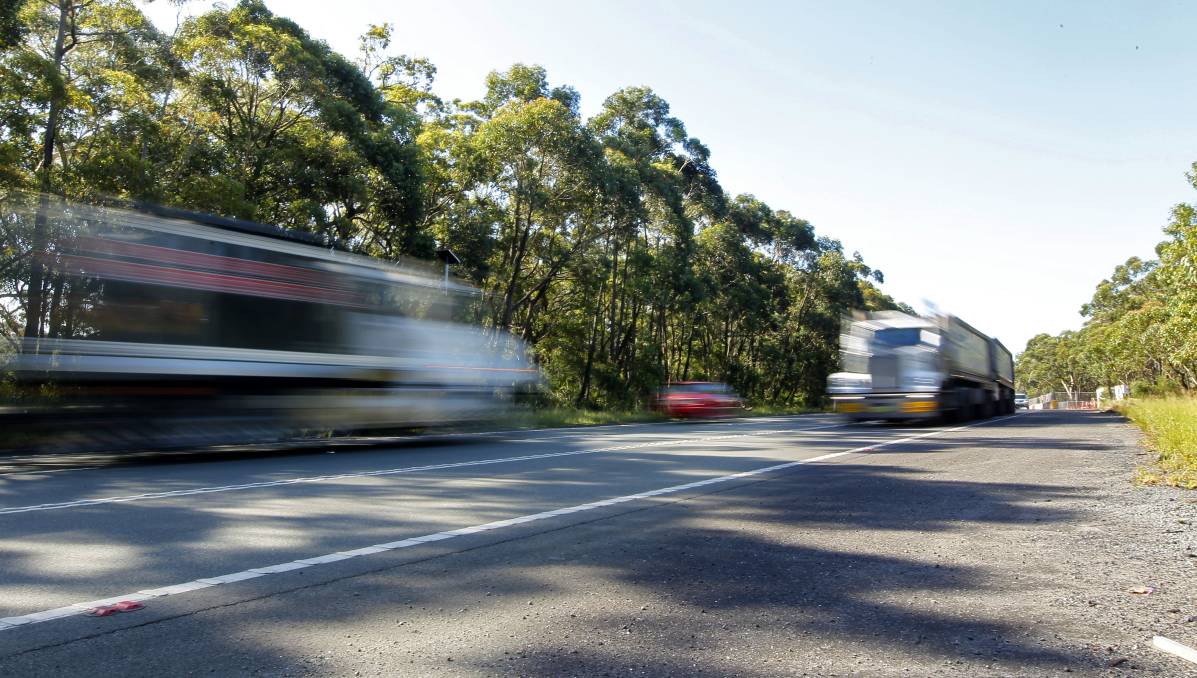
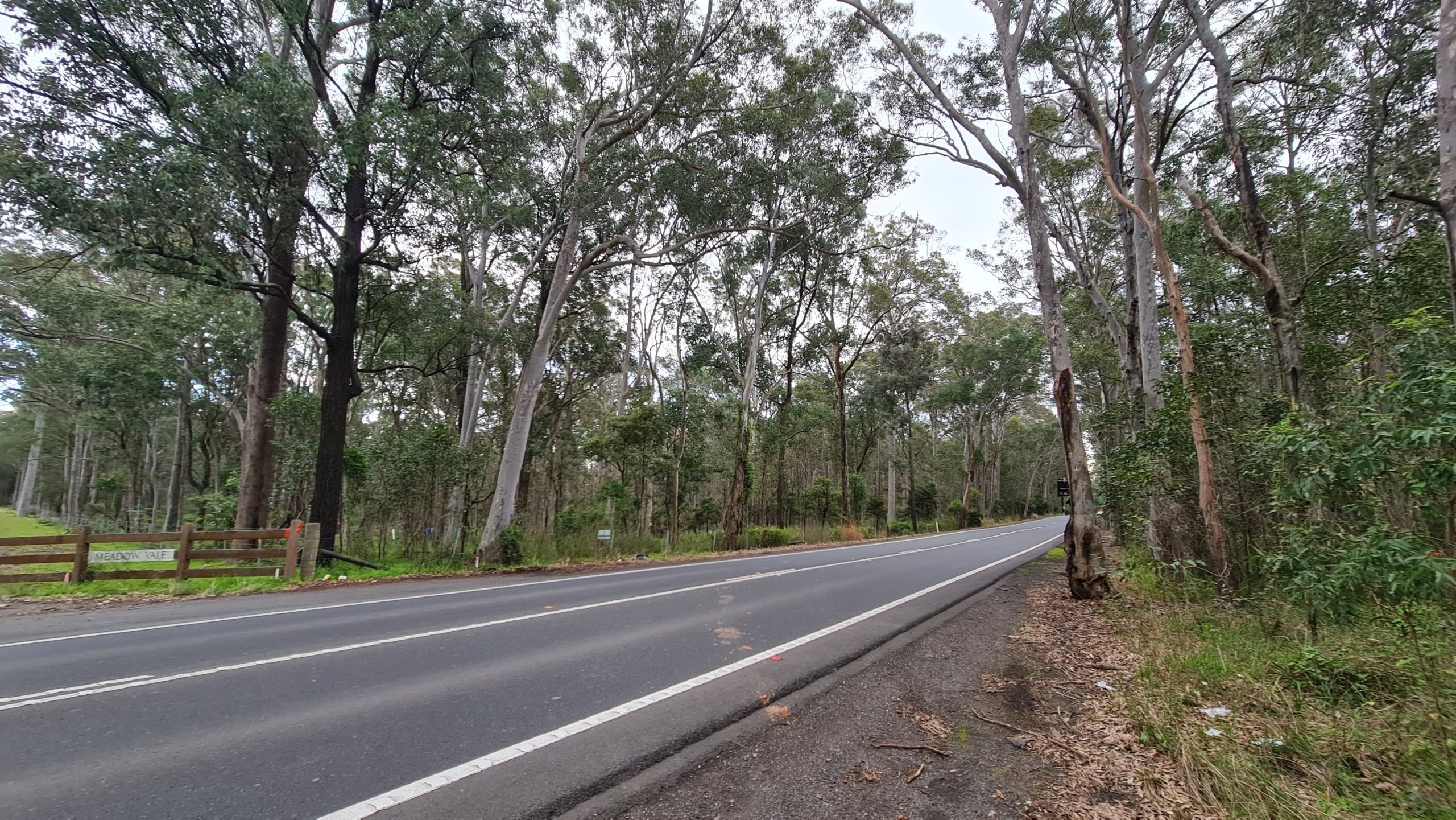
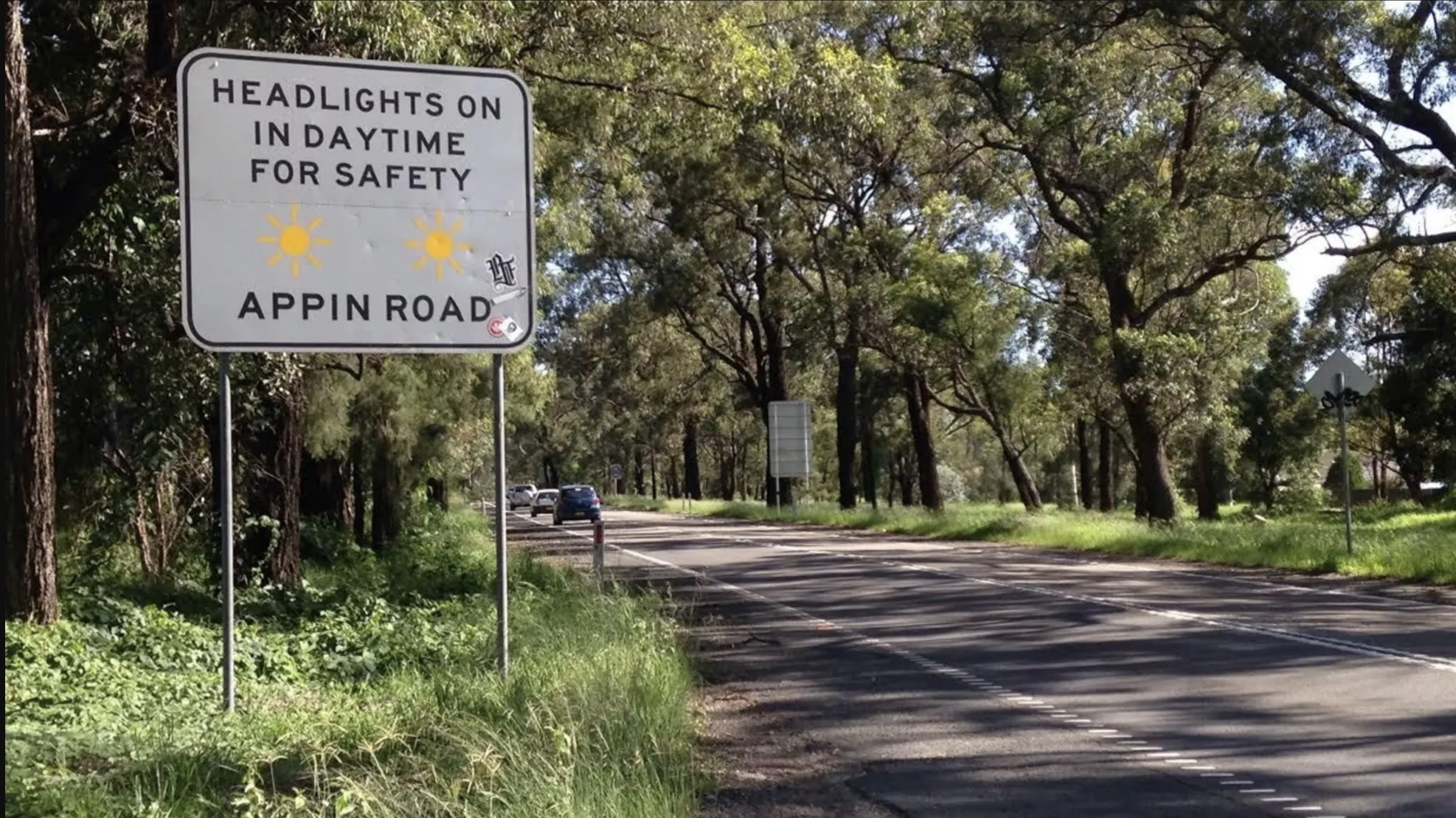
Appin Road serves as a vital state arterial link between south-western Sydney and the Illawarra region.
MU Group is the Lead Civil Design Consultant for two Appin Road projects, upgrades close to 5km of this TfNSW corridor, focussed on improving safety, capacity, and connectivity. The upgrade is a key enabler for the 210-hectare Figtree Hill development that will deliver up to 1,700 residential lots, along with open spaces, parks, and community facilities, providing safe and efficient access.
Project details
01
Appin Road, Gilead between the Figtree Development site and South of Beulah Biobank – WAD Stage 2
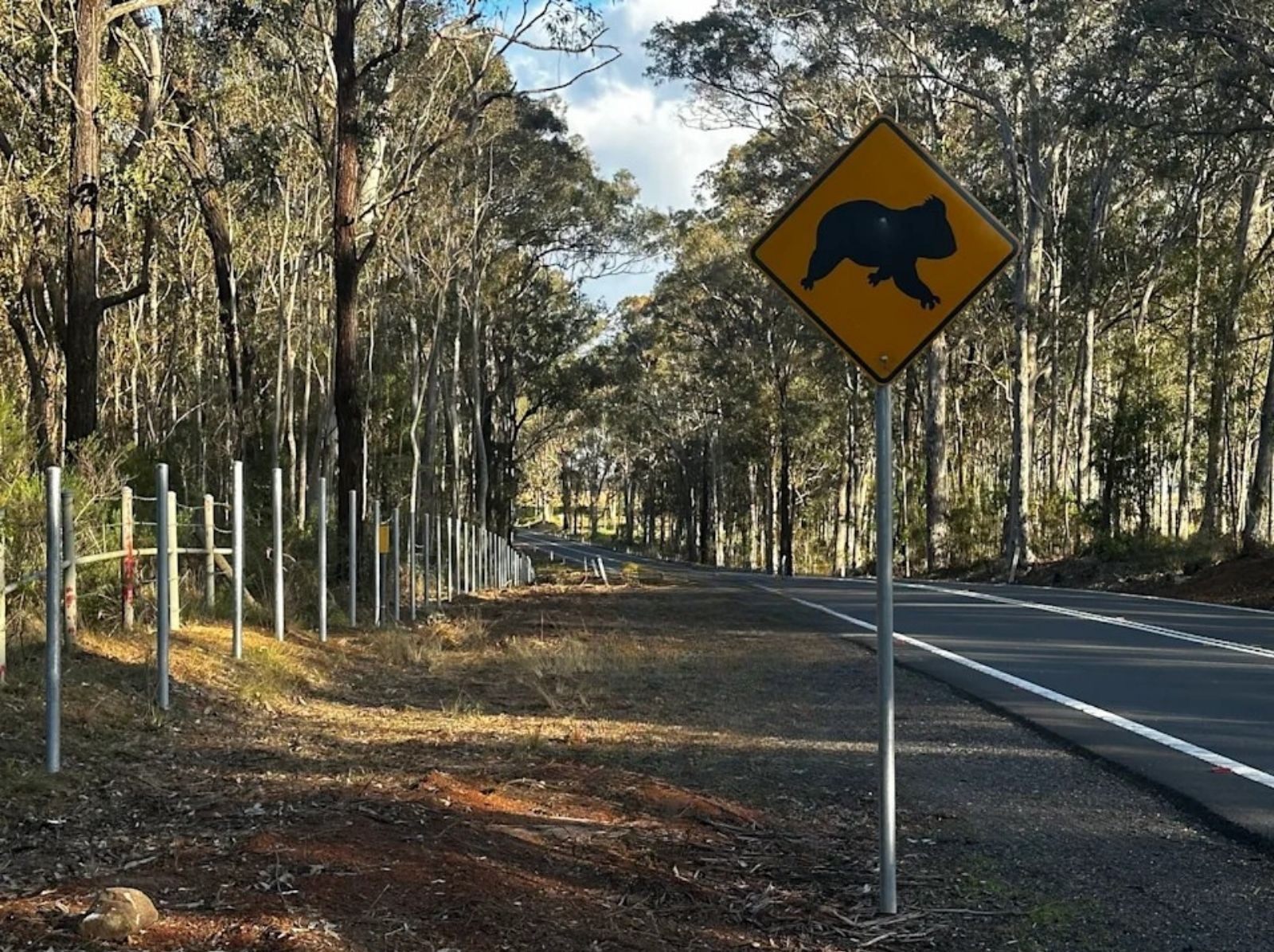
MU Group is delivering the 2.2 km Appin Road Upgrade transforming the two-lane road into a four-lane divided carriageway with provision for future expansion to six lanes. The project features a new signalised intersection to service the proposed development and improve traffic flow and safety, as well as a 36m fauna underpass bridge that maintains ecological connectivity between Beulah Biobank and Browns Bush, with a particular focus on koala movement.
Our scope includes the full concept and detailed design of the upgraded corridor, encompassing road widening, intersection works, fauna underpass bridge, noise walls, drainage, and associated infrastructure. We also manage environmental assessments, site investigations, and all supporting construction documentation.
MU Group ensures compliance with TfNSW standards while delivering a solution that balances transport efficiency and environmental stewardship.
02
Appin Road, Rosemeadow – between the Noorumba and Woodland reserves – WAD Stage 3
MU Group is leading the 2.5 km Appin Road Upgrade between Noorumba and Woodland reserves, upgrading the existing two-lane road to a four-lane divided carriageway, future-proofed for six lanes.
The project includes upgrading two major intersections and undertaking comprehensive site investigations including survey, utilities, geotechnical, contamination, traffic, and noise.
Our scope covers the complete detailed design of the upgraded corridor, including road widening, intersection improvements, noise walls, drainage, utility design, urban and landscape design, construction staging, and cost estimation.
The upgrade prioritises traffic efficiency, constructability, and ecological considerations, while integrating innovative noise mitigation solutions and early works packages to reduce cost and schedule risks.